
Interior Painting in Indianapolis
Smoke and water damage repainting in Indianapolis
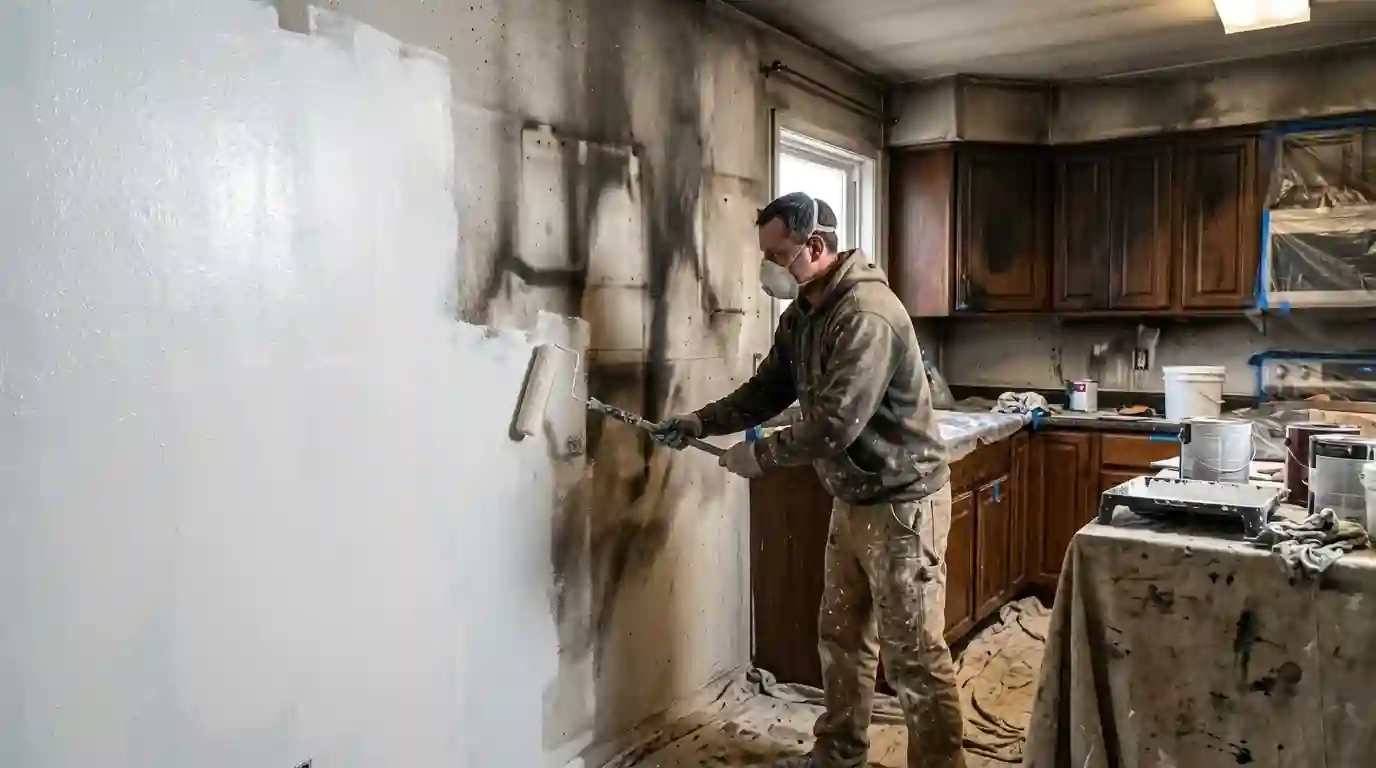
Soot on the kitchen ceiling after a small fire, brown rings after a roof leak, or a house that still smells of smoke. Once the cleanup is done, the walls need sealing, not just painting.
- Phones answered 24/7
- Stain and odor sealing primers
- Written scope for your claim
Paint lines and window treatment brands we work with
Quick answer
Smoke and water damage repainting in Indianapolis comes after the source is fixed and the cleanup is done: soot is cleaned off, stains and smoke odor are sealed with a stain-blocking or odor-sealing primer, damaged drywall is repaired, and the rooms are repainted so nothing bleeds through. We provide a written scope and photos for your insurance claim.
What the job involves
Why smoke and water damage need sealing first
Updated September 2026
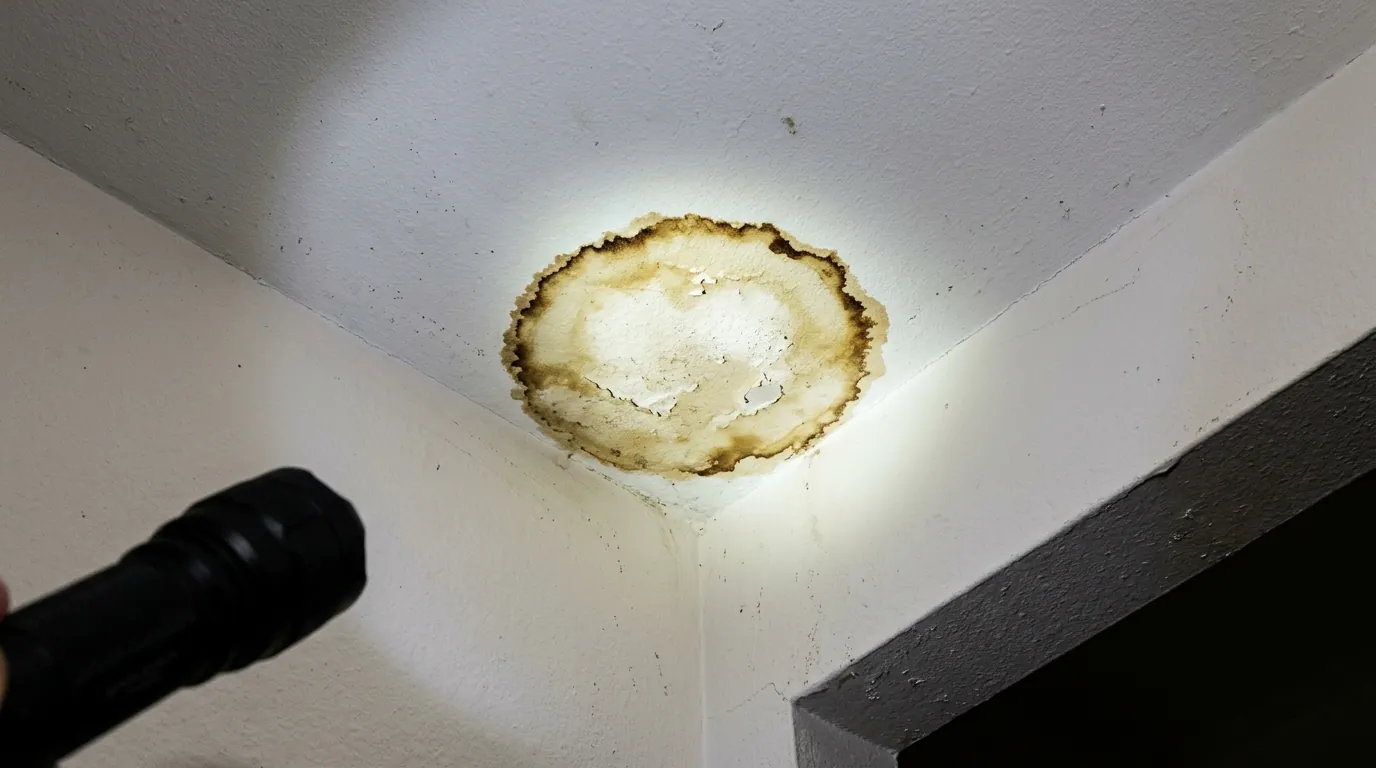
Soot, nicotine and water stains contain residues that bleed through ordinary latex paint, sometimes within days, and smoke odor trapped in walls and ceilings returns on humid days if it is not sealed in. The fix is a primer made to block stains and odors, applied after the surfaces are cleaned, then finish coats over it. We use stain-blocking and odor-sealing primers from Sherwin-Williams, Benjamin Moore and PPG lines and choose the system by the damage.
Painting is the last step. Structural drying, mold remediation and major fire cleanup are done first by the restoration company your insurer works with; we take over once the house is ready to finish. Drywall that has to be replaced is handled through our drywall repair work, and stained ceilings through ceiling painting.
Warning signs
Signs a room needs sealing, not just paint
Stains that came back
A stain showing through fresh paint means it was never sealed.
Smoke smell on humid days
Odor trapped in walls returns when the air is damp.
Yellowed ceilings
Nicotine and cooking smoke leave a film that bleeds through latex.
Soft or bulging drywall
Water-damaged board that gives under a finger needs replacing.
Gray film on walls
Soot from a fire or furnace puff-back has to be cleaned first.
From your call to the final walk-through
How a damage repaint runs
- 01
Call and describe the damage
Smoke or water, which rooms, and whether the source is fixed.
- 02
Visit and assess
We check stains, odor, drywall and the adjuster's scope if there is one.
- 03
Written scope
Cleaning, repairs, primer system and coats.
- 04
Clean
Soot and residue removed so the primer bonds.
- 05
Repair
Soft drywall replaced, cracks and holes patched.
- 06
Seal
Stain and odor sealing primer on every affected surface.
- 07
Repaint
Finish coats over the cured primer, whole planes at a time.
Variations of this job
The smoke & water damage repainting jobs we get called for
Smoke and soot sealing
After a small kitchen fire or a puff-back from a furnace, soot coats walls and ceilings in a fine, greasy film. Walls are cleaned with dry chemical sponges and a degreasing cleaner so the primer can bond, then sealed with a shellac-based or oil-based primer that locks in the stain and the smell. Rooms that only smell of smoke without visible soot still get sealed, since odor lives in the paint and drywall. Finish coats go on once the primer has cured.
Water-stained ceilings and walls
Water stains are repaired only after the leak is fixed and the area is dry. We press-test the drywall, cut out and replace anything soft or sagging, and check the insulation above. Firm stained areas are sealed with a stain-blocking primer, then the whole ceiling plane or wall is repainted so the repair does not show as a brighter patch. Ceilings with popcorn texture may need the texture removed if it has let go. Each sealed area is checked under raking light before the finish coats go on.
Odor-blocking primer systems
Smoke odor from fires, wood stoves or years of indoor smoking is sealed rather than covered. Shellac-based primers seal odor and stains most reliably and dry quickly; specialty oil-based and water-based sealers suit some rooms better. We prime every affected surface, including ceilings, closets, trim and the insides of cabinets where smoke settled, because missing one surface lets the smell return. Heating and cooling ducts are cleaned by others before we seal, so the odor is not blown back in. Rooms are ventilated while the primer cures, and we check for odor again before the finish coats go on.
Insurance claim repaints
When the damage is part of an insurance claim, we provide a written scope of the painting and repair work, the products and number of coats, and before-and-after photos your adjuster can review. We do not handle the claim itself, but we work from the adjuster's scope where one exists and explain any additional items we find, such as rooms the smoke reached that were not listed. Supplements for items found during the work are documented the same way, with photos taken before and after.
Local context
How this work runs around Indianapolis
Indianapolis averages several days a year with more than an inch and a quarter of rain, mostly in spring and summer thunderstorms, and those downpours are when overflowing gutters, failed flashing and roof leaks turn into ceiling stains. Our water-damage repaint calls cluster after those storms, and we schedule the repaint once the roofer or plumber has fixed the source and the drywall has dried out.
Doing it yourself vs. calling us
Painting over damage yourself versus calling us
| Step | Doing it yourself | When we do it |
|---|---|---|
| Stains | Regular paint, stain returns | Stain-blocking primer, then paint |
| Smoke odor | Covered, comes back | Sealed on every surface it reached |
| Drywall | Painted over soft board | Soft board replaced first |
A small, dry, firm water stain can be sealed and painted yourself with the right primer. Smoke damage and anything soft or recurring is where professional sealing pays off.
What moves the price
What moves the price of a damage repaint
No sourced figure is quoted here; damage repaints are priced from the extent of the damage and the primer system it needs.
- Affected area Rooms, ceilings and closets the smoke or water reached.
- Cleaning Soot removal before priming adds labor.
- Primer system Shellac-based and specialty sealers cost more than standard primers.
- Drywall repair Soft or sagging drywall replaced before paint.
- Ceilings Full ceiling planes repainted so repairs do not show.
- Trim, doors and cabinets Every affected surface sealed, inside and out.
- Claim documentation Written scope and photos for the adjuster.
FAQ
Questions we hear on this job
Yes. A stain-blocking primer goes on first, or the ring bleeds back through.
Only when the surfaces are cleaned and sealed with an odor-blocking primer first.
No. Drying and fire cleanup come first; we repaint once the house is ready.
Yes, and we document anything extra we find.
Yes. Soft or sagging board is cut out and replaced before paint.
So the repair does not show as a brighter patch.
Related services
Other interior painting work we handle
Basement Painting
Concrete block walls, concrete floor paint and more.
see our basement painting pageCabinet Refinishing & Staining
Strip and re-stain, glaze and toner touch-up and more.
Cabinet Refinishing & StainingWood Trim & Door Staining
Stained interior trim, clear-coat refresh on stained woodwork and more.
Wood Trim & Door StainingStaircase & Railing Painting
Painted balusters with stained handrail, metal railing repaint and more.
learn about staircase & railing paintingReady when you are
Describe the damage and we will set the visit
Call any hour, tell us what happened and whether the source is fixed, and we will book the assessment on the call.
Faber Paint & Blinds service office
3053 Stillcrest Ln, Indianapolis, IN 46217