
Interior Painting in Indianapolis
Basement painting for Indianapolis homes
Gray block walls, a dark open-joist ceiling and a stained floor turn a basement into storage. Painted properly, the same space becomes a room, as long as the moisture question is answered first.
- Phones answered 24/7
- Moisture checked before coating
- Block, joist and floor coatings
Paint lines and window treatment brands we work with
Quick answer
Basement painting in Indianapolis starts with a moisture check, because paint on a damp block wall peels within a season. Dry walls get a masonry primer and two coats of a mildew-resistant finish; open joist ceilings are sprayed dark or white in one pass; concrete floors get a coating rated for foot traffic.
What the job involves
Moisture first, color second
Updated September 2026
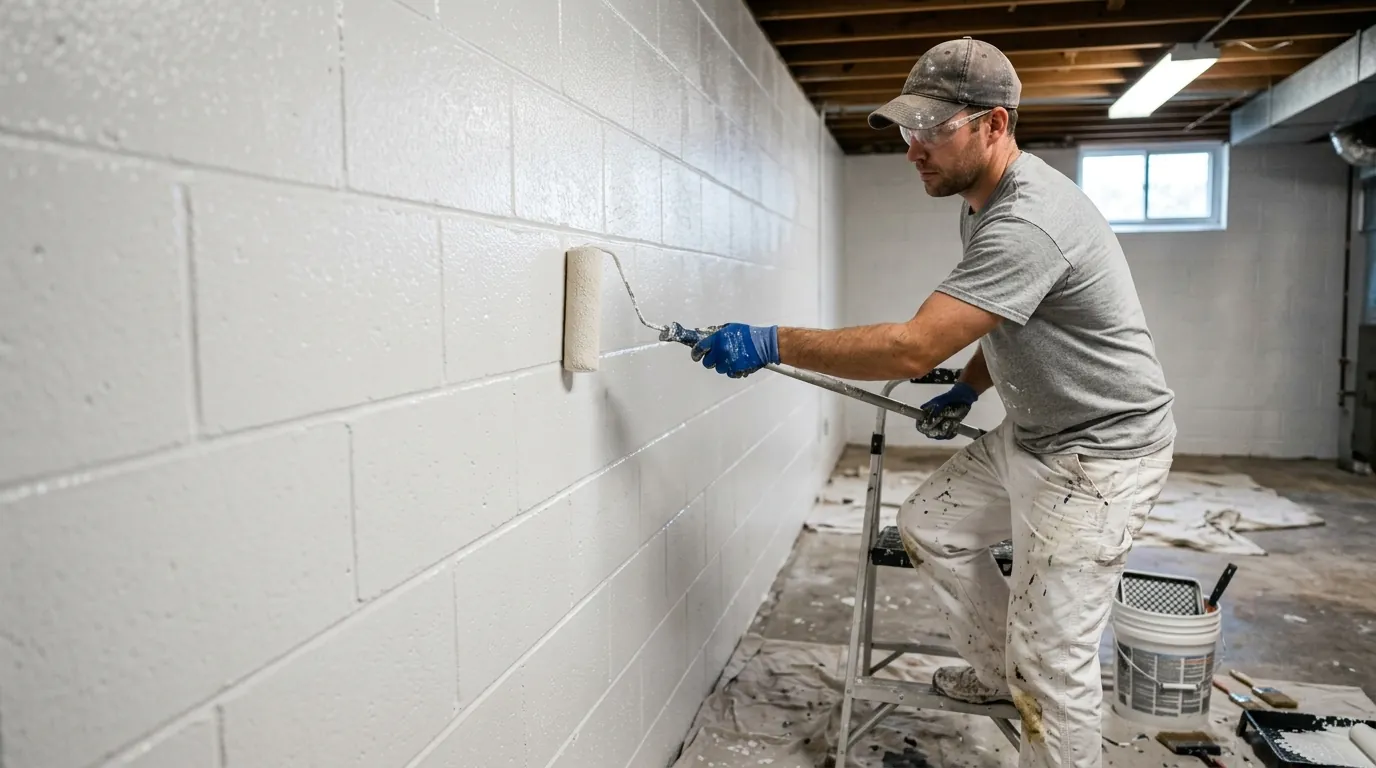
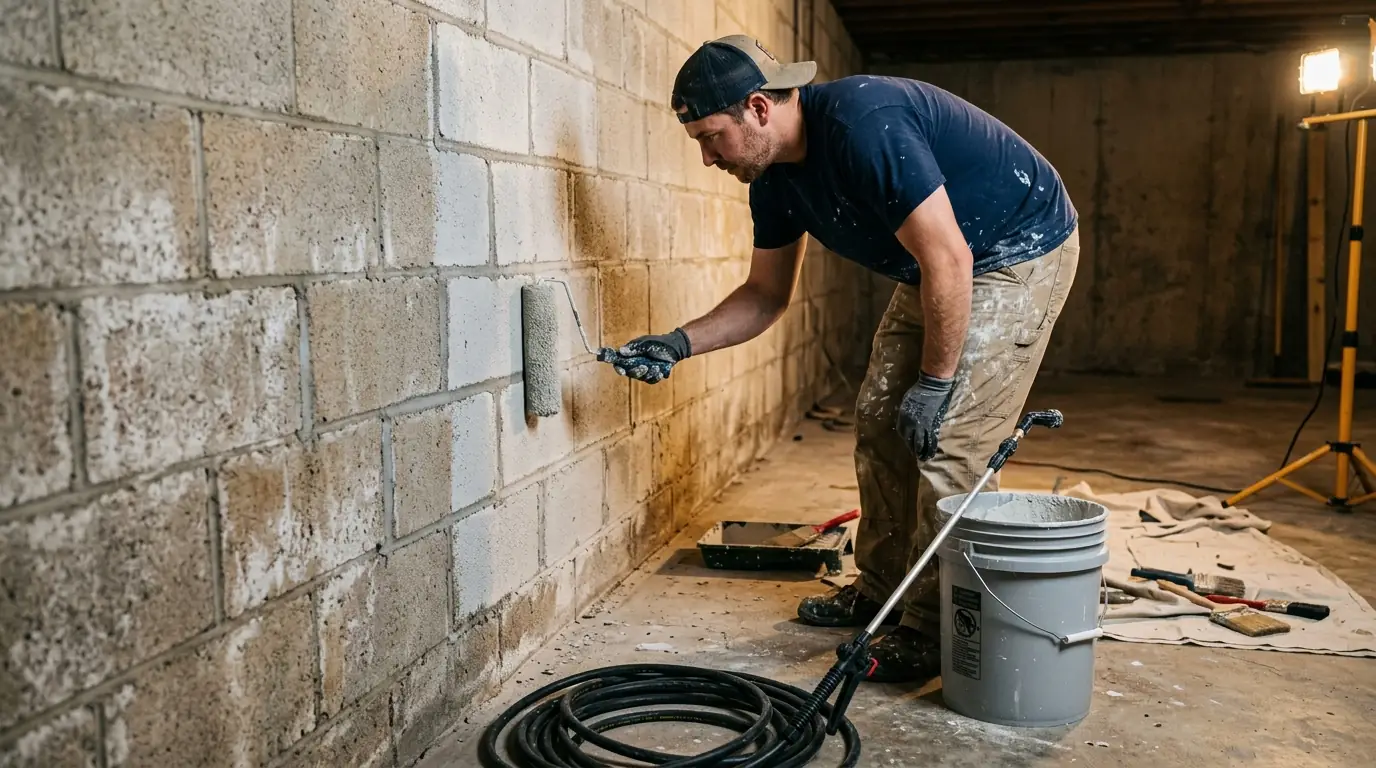
Concrete block and poured walls pull water from the soil. We tape a plastic square to the wall overnight and read what collects under it before quoting a coating. Condensation on the room side is a ventilation fix; moisture coming through the wall is a waterproofing issue that paint cannot solve, and we say so rather than sell a coat that will blister.
On dry walls we use masonry primers and finish lines from Sherwin-Williams, Benjamin Moore and Behr made for block and concrete. Floors are covered on the garage and basement floor coating page, and finished drywall rooms follow our interior painting process.
What is included
What a basement painting job includes
- Moisture test on walls and slab before any coating is chosen
- Efflorescence brushed off and treated
- Block filler or masonry primer back-rolled into the joints
- Two coats of a mildew-resistant finish on walls
- Joists, ducts and pipes sprayed in one pass where included
- Floor ground or etched and coated with a traffic-rated product
- Mechanicals, fixtures and contents masked or moved and returned
What moves the price
What sets the price of basement painting
Basement work is priced by surface. Market figures put interior painting at $2 to $6 per square foot for walls, and block and joist ceilings sit at the higher end because of primer and access.
- Wall material Bare block needs block filler; poured concrete and drywall do not.
- Moisture condition Efflorescence treatment and a damp-tolerant system add steps.
- Joist ceiling Spraying joists, ducts and pipes is fast but needs full masking below.
- Floor coating Grinding or etching, crack fill and a traffic-rated coating are priced separately.
- Contents A full basement of storage adds moving and covering time.
- Color choice Dark joist ceilings need one fewer coat than white over dark wood.
- Access Narrow stairs and low headroom slow equipment setup.
Ranges are published market figures for planning only, not a quote from us; your price depends on the factors above.
Variations of this job
The basement painting jobs we get called for
Concrete block walls
Block is porous and full of pinholes, so the first coat is a block filler or masonry primer that fills the texture and gives the finish something even to sit on. We spray or roll it heavy and back-roll into the mortar joints so no pinholes are left for moisture to push through. Two coats of a mildew-resistant masonry finish follow. White or a pale warm gray makes the biggest difference to light in a basement with small windows. Efflorescence, the white powder on block, is brushed off and treated before any primer.
Exposed-joist ceilings
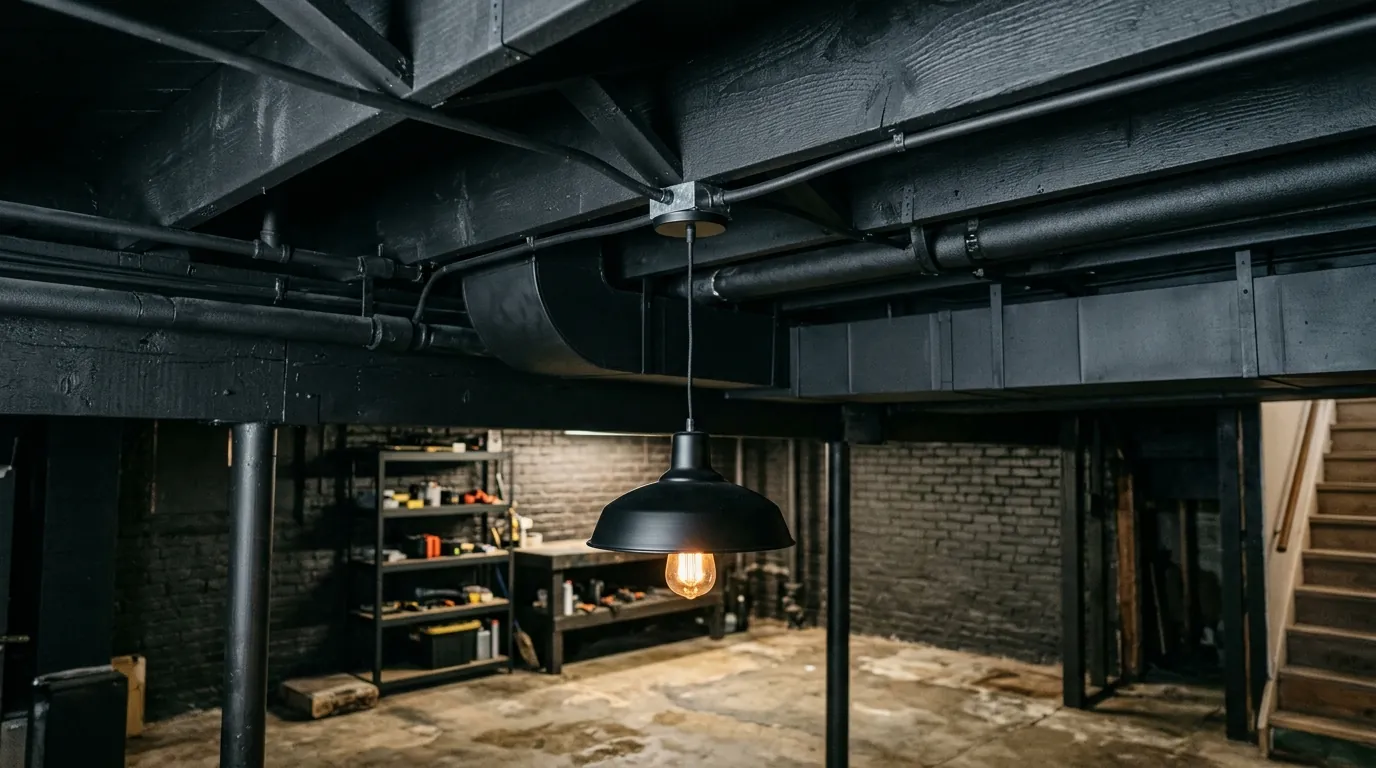
An open joist ceiling with ducts, pipes and wiring is painted with an airless sprayer in one pass, including the subfloor above, the joists, the ductwork and the conduit. Black or charcoal makes the ceiling disappear and gives an industrial loft look; white makes a low basement feel taller and brighter. Everything below is masked or moved, and light fixtures are bagged. It is one of the fastest ways to make an unfinished basement read as finished, at a fraction of the cost of a drywall ceiling.
Finished basement rooms
Finished basements have drywall walls that behave like upstairs rooms, with two differences: humidity and low light. We use a mildew-resistant product, pick sheens that hide the uneven light from small windows, and check the bottom of the drywall for water staining before painting. Bright off-whites and warm light neutrals work better than grays below grade, where daylight is thin. Media rooms are the exception, where a deeper matte color cuts glare from the screen, and a washable eggshell suits a basement playroom that takes knocks from toys and furniture.
Concrete floor paint
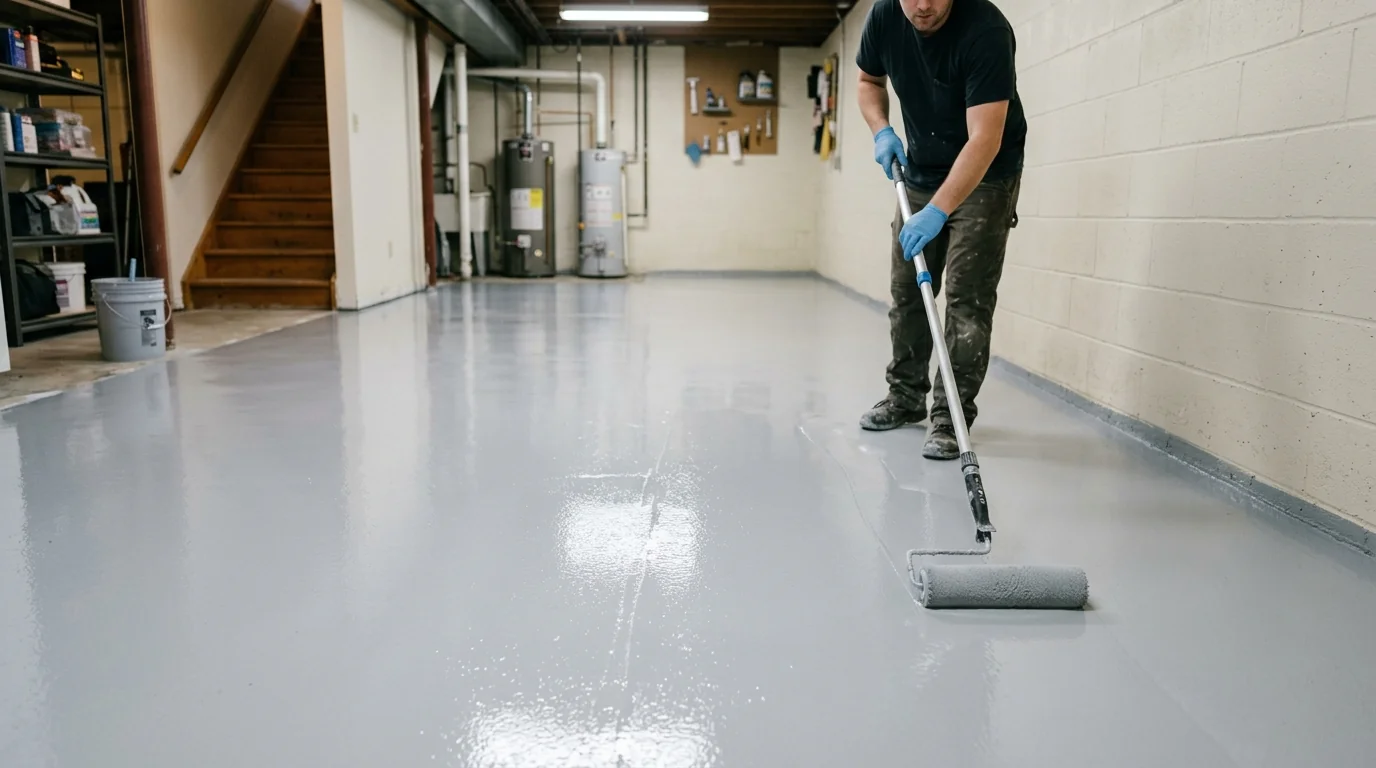
A painted basement floor is a quick upgrade from bare concrete, and it is different from a garage epoxy. We grind or etch the slab so the coating bonds, fill cracks, and apply a floor paint or a single-part epoxy rated for foot traffic and damp-tolerant slabs. A moisture test comes first here too; coatings lift off slabs that push water vapor. Where the floor will carry heavy use or vehicles, a full two-part epoxy system is the better choice.
Local context
How this work runs around Indianapolis
With about 43 inches of precipitation a year arriving in every month, and snowmelt on top of it, the soil around Indianapolis foundations stays wet much of the year. That is why block walls here so often show efflorescence and why we treat the moisture test as a required step rather than an option. A wall that reads dry in August can read damp in March, so we note the season of the test on the scope.
From your call to the final walk-through
How a basement job runs
- 01
Call and describe the space
Walls, ceiling, floor and whether there has ever been water.
- 02
Visit and moisture test
We check block, slab and ceiling and set up a moisture test.
- 03
Written scope
Surfaces, primers, coatings and anything that needs waterproofing first.
- 04
Clear and mask
Contents moved, mechanicals and fixtures bagged.
- 05
Clean and prime
Efflorescence treated, block filler or primer applied.
- 06
Paint and spray
Walls finished, joists sprayed, floor coated last.
- 07
Cure and return
Floor cure time respected before furniture goes back.
FAQ
Questions we hear on this job
Not with any coating that will last. The moisture source has to be fixed first.
No. It can slow vapor on a dry wall; it does not stop water coming through.
Bright whites and warm light neutrals. Grays read dull below grade.
Black hides the clutter of ducts and pipes; white makes a low room feel taller.
Yes, with a traffic-rated coating after grinding or etching and a moisture test.
Walls within a day; floors need the coating's full cure before heavy use.
Related services
Other interior painting work we handle
Kitchen Cabinet Painting
Oak and grained cabinets, bathroom vanities and more.
see our kitchen cabinet painting pageStaircase & Railing Painting
Painted balusters with stained handrail, metal railing repaint and more.
learn about staircase & railing paintingWood Trim & Door Staining
Stained interior trim, clear-coat refresh on stained woodwork and more.
Wood Trim & Door StainingCabinet Refinishing & Staining
Strip and re-stain, glaze and toner touch-up and more.
Cabinet Refinishing & StainingReady when you are
Describe the basement and we will set the visit
Tell us the walls, ceiling and floor and whether it has ever taken water, and we will book the visit on the call, any hour.
Faber Paint & Blinds service office
3053 Stillcrest Ln, Indianapolis, IN 46217